
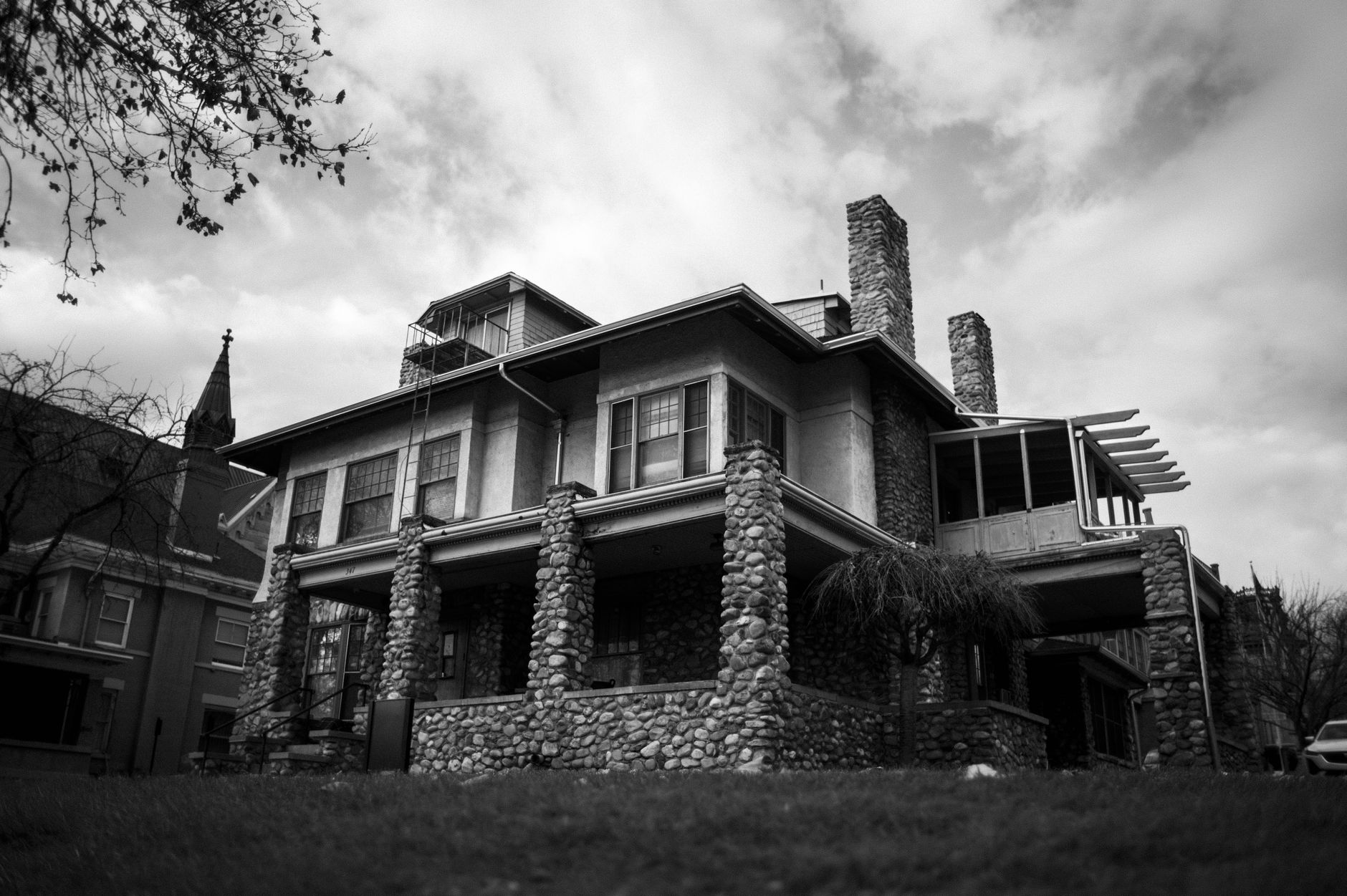
Multi-Unit Chimney Rounds From Lakewood
Is the Property on Our Route?
Give the street address and the number of units with a fireplace. We call back to plan the round.
Dalby's own town, the planned grid around Lakewood Center
Lakewood
A tract model here may or may not have come with a fireplace; 89% of these houses predate 1980. For an owner holding three or four of them, each hearth gets its own numbered line in our record.
Old dairy acreage, rebuilt as 1950s tract streets
Norwalk
Farm and dairy parcels gave way to houses mostly in the 1950s; the unit count before 1980 runs to 83%. Landlords with several of them can book one trip, and every brick flue comes back as a separate entry.
Port town of duplexes, apartments and 1933 rebuilds
Long Beach
Owners hold just 41% of homes, and only 40% stand detached, so a single building can hide many flues. Managers get one visit for the whole roster, with a numbered sheet per unit.
Gateway city cut through by Compton Creek
Compton
Thirty percent of this housing predates 1950, so hand-laid brick turns up often, prone to tired mortar and quake cracks. Several units on one parcel? Each flue is inspected and filed under its own address line.
Ventura Freeway town under Ladyface's ridge
Agoura Hills
Owners occupy 82% of homes in this foothill town. Where a house has two hearths or more, our visit counts every firebox first, then writes a separate inspection note for each.
West San Gabriel Valley, between the 10 Freeway and 710
Alhambra
Detached houses make up only 41% of homes, so fireplaces often share a building with neighbors. Gas logs set into old masonry are common, and each set is cleaned and recorded unit by unit.
Lucky Baldwin's old rancho, now big-lot neighborhoods
Arcadia
Tracts on Baldwin's former rancho were laid out on big lots from the 1930s into the 1950s. If a house holds extra hearths, on arrival we tally them before inspecting each, gas log sets included.
Little India's home on Pioneer Boulevard
Artesia
Half of local homes are owner-occupied, and infill townhome rows and apartments sit among older ranch streets. An HOA or small complex can schedule all its fireplaces together and receive a sheet for every unit.
Catalina's harbor town, packed onto narrow lots
Avalon
A third of Avalon homes stand detached, and 52% went up before 1950. Where one property carries several flues, our tech works through them in sequence and files each one by itself.
Old Route town where the river exits San Gabriel Canyon
Azusa
Metal fireboxes in framed chases became common after 1970, while bungalows near the old center tend to have brick. Mixed holdings get both kinds checked, and each lands on its own line of the report.
Walnut and citrus land that boomed after the war
Baldwin Park
Typical stacks here are 1950s or 1960s masonry, brick or block, with gas logs added in many. Where a parcel adds infill units behind the main house, every fireplace on it is checked and given its own record.
Small Gateway city on the Los Angeles River
Bell
Renters fill most homes here, as owners occupy just 26%. And with 39% of buildings older than 1950, brick deserves care; a landlord's whole set of flues gets documented one at a time.
Rental-heavy city at Florence and Garfield
Bell Gardens
Owner-occupied homes here: 21%. With duplexes and apartments lining the main streets, an owner of several units can cover every hearth in one booking, each filed on its own page.
Named for the Bellefleur apple, east to the San Gabriel River
Bellflower
Fewer than half the homes, 48%, are detached. Property managers with fireplaces spread across a complex can clear the entire list in one trip, each unit's firebox and flue noted by number.
1920s Flats, apartments and Beverly Gardens Park
Beverly Hills
Flats houses mostly went up between the two world wars, and 38% of local homes predate 1950. Large residences and apartment buildings with several flues get all of them inspected in one visit and each written up.
Gated estates below the Angeles National Forest
Bradbury
Detached share: 97%. Owner-occupied: 93%. An estate holding several hearths is booked as one job, and our tech logs them in the order the house presents them.
Studio and aviation town by the Verdugo Mountains
Burbank
Condos and apartments fill the corridors and the Media District, and 35% of homes date before 1950. Associations can book every unit's hearth at once and receive one record per unit.
Gated hill communities in the Santa Monica Mountains
Calabasas
Just 38% of homes predate 1980, and big stucco houses sit inside gated tracts. Where one holds more than one fireplace, every unit is counted at the door and receives its own entry in the report.
West Valley district, once called Owensmouth
Canoga Park
Apartment buildings stretch along Topanga Canyon Boulevard, and some 1920s to 1940s houses still have brick built on site. A building with several hearths gets every unit inspected and a page per unit.
South Bay tracts near the Dominguez Rancho Adobe
Carson
Detached homes: 72%. Owner-occupied: 74%. Condo boards and owners of several houses can put every post-war chimney on one schedule, with a separate finding sheet for each.
Planned 1970s city at the 91 and 605
Cerritos
Just 2% of homes predate 1950, and many 1970s houses run metal fireboxes and metal flues. Where a house has two, each gets its own inspection note and chase check.
The college town of trees and PhDs
Claremont
Village streets carry houses from 1890s through 1930s, and ranch tracts filled in north of Foothill later. Whether it is a Village house or a college-area rental, any property with more than one hearth gets each inspected and recorded.
Rail and warehouse city with only a few homes
Commerce
Industry holds most of the land, and the houses are modest post-war builds. An owner with a couple of rentals can have each brick fireplace checked on one trip, each with its own record.
Citrus town since the 1880s, on the Metrolink line
Covina
Covina's stock is 76% pre-1980, and much of it has brick or block chimneys later fitted with gas logs. On a multi-unit property, each gas set is cleaned and every flue checked, then written up separately.
Atlantic Avenue rental city, small and crowded
Cudahy
Owners occupy just 14% of homes, a very high rental share. Lots often hold a main house and added units, so a landlord can have every fireplace on the parcel inspected together, one record per unit.
Culver's studio town, founded 1913, condo-heavy
Culver City
Only 36% of Culver City homes are detached, so plenty of fireplaces sit in shared buildings. For a condo board, our sheet lists each unit's firebox, flue and cap in its own row, 84% of them in pre-1980 structures.
Named for a ranch brand, hillside tract country
Diamond Bar
Half the housing here dates to 1980 or later, which brings factory-built fireboxes into the mix. A big house in The Country may hold several; each is opened, checked and entered on the owner's list by room.
Apollo-era suburb, Columbia Memorial Space Center country
Downey
Downey went suburban in the 1940s and 1950s as the aerospace plants grew. Owners hold 51% of homes and landlords the rest, and a rental portfolio can be inspected house by house in a single scheduled run.
Old Route 66 stretch below the Fish Fire slopes
Duarte
Condos and apartments account for a good slice of local units, and 61% of homes are owner-occupied. An association can hand us its full roster; each unit's gas log set or masonry box gets its own dated line.
San Gabriel Valley city, incorporated 1912
El Monte
Owner households number 40% here, and small houses share the map with apartment buildings. Gas logs sit in many post-war masonry boxes, and each set on a rental property is cleaned and noted separately.
Standard Oil's 1911 company town beside LAX
El Segundo
Workers for the 1911 refinery got small houses, and the town filled in from there. Apartments and condos now make up much of the stock, and an HOA can have every fireplace inspected in one pass, unit by unit.
South Bay city, incorporated 1930
Gardena
Detached houses are 44% of homes and owners hold 49%, so plenty of fireplaces belong to landlords. Each gas log set or brick box on a multi-unit property is checked and listed against its unit number.
Verdugo foothills and dense south side apartments
Glendale
South Glendale has a large share of apartment buildings, and only 33% of homes citywide are detached. In the historic districts, Rossmoyne among them, a period house with more than one hearth gets each logged.
San Gabriel foothill town, incorporated 1911
Glendora
Owners occupy 68% of homes, and 80% of the stock predates 1980. Hillside houses and older brick stacks from before the war get the same treatment: every fireplace on the property counted, inspected and written down.
One of the county's smallest cities, densely settled
Hawaiian Gardens
Rental units account for much of this dense little city, where 45% of homes are detached. A landlord with an apartment building gets every hearth on the property inspected in a single visit, then a written entry per unit.
Beach Boys hometown, a rental city since 1922
Hawthorne
Detached homes and owner households each sit at 27%, so most fireplaces belong to rental buildings. For a manager, one visit covers each unit, gas logs cleaned and flues checked in turn.
Walk streets and the Sand Section, 1.4 square miles
Hermosa Beach
Condos and apartments outnumber houses here, more than half the units. An HOA or building owner can line up every fireplace in one visit, with each unit's report kept apart.
Guarded-gate horse community, roughly 740 units
Hidden Hills
Detached share is 100% and owner share 92%. Masonry stacks survive on the older ranch houses, while newer custom homes have replaced many, and a big home with several hearths gets each one recorded.
Named for Henry E. Huntington, incorporated 1906
Huntington Park
Renters are the large majority here, as 24% of homes are owner-occupied, and many old lots carry added units. Where a pre-1950 house has a brick chimney, it gets inspected along with every other fireplace on the lot.
Factory and warehouse land, homes only by the handful
Industry
Warehouses and factories fill this city, and residents are few, so most local fireplaces sit next door in other towns. The handful here get the same one-record-per-flue inspection.
Under the LAX approach, home of SoFi Stadium
Inglewood
Postwar decades filled the city with apartment buildings, so most households rent. Pre-1960s houses mostly carry brick stacks, and a building owner can have each unit's hearth inspected and documented in one visit.
Tiny city at the 210 and 605 crossing
Irwindale
With 42% of homes built before 1980, newer factory-built units sit beside older masonry. Detached houses are 92% of the stock, and an owner with two or three of them can book one visit for all.
Foothill city below JPL and the Angeles Crest
La Canada Flintridge
Flintridge began in the 1920s with hillside estates, and 94% of homes here are detached. A large period house with two or more fireplaces gets a report that gives each one its own page.
Rural Puente Hills town on acre lots
La Habra Heights
Wood-burning homes stand out here: census data shows about 1.4 percent heat mainly that way, high for this county. A custom home on a big lot with more than one fireplace gets each inspected and recorded on its own.
Biola University's city, incorporated 1960
La Mirada
Pre-1950 homes are scarce; ranch houses in stucco and wood fill most streets. Owners hold 76%, and condo and townhome associations can book every unit's fireplace together with a separate entry for each.
Old walnut grove country on Valley Boulevard
La Puente
Houses replaced the walnut groves mostly over two post-war decades; 81% of the stock is pre-1980. Owners holding a few of these can put the whole set on one booking, each fireplace with its own record.
Lordsburg once, now Old Town and the Marshall Canyon foothills
La Verne
Brick may turn up on older houses, while later homes lean on factory-built fireboxes. Parks full of mobile homes add to the count, and a park or owner with several units can book them all at once.
Antelope Valley desert city with the Musical Road
Lancaster
Only 34% of homes predate 1980, and many tracts went up from the 1980s through the 2000s. Masonry can show up on the older aerospace-boom houses, and a rental owner can have each one inspected and logged.
Hawthorne Boulevard corridor city
Lawndale
Most households rent, and lots with several units are common. With owners in only 37% of homes, a landlord can book every fireplace on a property and get one record per unit.
Old farm town below the Palos Verdes hills
Lomita
Owner and renter households split close to even, and detached houses make up 50% of units. Owners of a duplex or small apartment building can have each fireplace inspected in one visit, with a sheet per unit.
The whole city, port to north Valley, 469 square miles
Los Angeles
Detached houses are only 36% of the city's homes, so most fireplaces in Los Angeles share a building. A manager with a courtyard complex or tower gets one booking, a unit list, and a separate record for every flue on it.
Plaza Mexico's city, with one of the area's oldest stocks
Lynwood
Lynwood counts 45% of its homes as pre-1950, among the older stocks nearby. Many lots gained apartments behind or beside the first house, so we list each fireplace on the parcel and file them one by one.
Coast-road city strung along the Santa Monica Mountains
Malibu
Two fires, 2018 and 2025, left lots across Malibu still rebuilding. New houses, survivors and guest units on one property can all go on a single inspection, each fireplace with its own dated entry.
Sand and Hill sections, South Bay beach town since 1912
Manhattan Beach
Newer and remodeled homes mostly run factory-built gas units; older survivors may keep masonry. A large new home with three gas units gets each one cleaned and written up separately.
Built-out river city at Atlantic and Slauson
Maywood
Maywood has almost no open land left, and 44% of its homes date before 1950. Tight lots often carry more than one dwelling, and each brick fireplace on a lot is inspected and listed by its own address.
Myrtle Avenue's Old Town, below the San Gabriels
Monrovia
Brick is the usual chimney on older Monrovia houses, and some carry a river-rock face. Owners of a big foothill house with several fireboxes, or a few rentals, get one visit and a separate page per fireplace.
Farm and oil town since 1917, now a Whittier Boulevard suburb
Montebello
Farms, then an oil strike in 1917, then suburb; the unit count before 1980 is 84%. Fewer than half are detached, so landlords often hold several brick fireplaces under one roof.
Hillside city on the west edge of the San Gabriel Valley
Monterey Park
After the war, building climbed the hillsides on top of an older core. With 58% of homes detached, the rest are mostly in shared buildings, and an association can line up every unit's fireplace together.
Joshua tree desert city, incorporated 1962
Palmdale
A low 19% of homes predate 1980, so most hearths sit in newer stucco tracts. Owners of several rentals can still book them together, and any 1950s or 1960s ranch house with masonry gets its own entry.
Malaga Cove and Bluff Cove city, 90% owner homes
Palos Verdes Estates
With 92% detached and 90% owner-occupied, this is a city of houses, and older ones commonly have masonry. Hillside lots can make roof access slow, so a big house with several flues is planned as one visit.
Hynes and Clearwater, joined into one city
Paramount
Most households here rent, and only 42% of homes are detached. Landlords with apartment buildings or several houses get one booking for the full list, every fireplace filed by unit.
Craftsman city on the Arroyo, 850 feet up
Pasadena
Brick or river rock, often unreinforced: that is the typical chimney on an older Pasadena house, and a known quake concern. Large period houses and apartment buildings with several flues get every one inspected and written up in turn.
Pio Pico's namesake, built up as 1950s tracts
Pico Rivera
The 1950s brought most of these tracts; pre-1980 share is 86%. Owners holding a few of these houses can put them on one booking and get a separate inspection sheet for each brick fireplace.
Fairplex city, incorporated 1888
Pomona
Historic districts like Lincoln Park hold older houses, while newer fireplaces sit in the south and west tracts. A rental owner with homes in both can have each hearth inspected and logged separately.
Peninsula city of view lots, incorporated 1973
Rancho Palos Verdes
Peninsula tracts and custom homes filled in mainly through the 1960s and 1970s, so masonry is the likely chimney, with some factory or gas units added in remodels. A house with both kinds gets each fireplace checked and listed on its own.
King Harbor and pier city, condo-heavy near the shore
Redondo Beach
Only 40% of homes are detached, and condos, townhomes and apartments crowd the shoreline. An association can have every unit's fireplace inspected on one schedule, with a record per unit.
Gated horse country on the Palos Verdes Peninsula
Rolling Hills
Gates, horses and a rural plan date this city to the 1930s, and nearly every home, 99%, stands alone. Large ranch homes often carry more than one fireplace, and every one is inspected and recorded.
Peninsula Center city, with stables still in places
Rolling Hills Estates
Owner share 88%, detached 79%. Condos near the Peninsula Center and large houses with stables both appear, and a condo board can book every unit's fireplace at once.
Post-war valley city, incorporated 1959
Rosemead
Farmland became Rosemead after the war, built out mostly over the next two decades. Apartments line the main streets, and an owner can have every fireplace in a building inspected and written up by unit.
Railroad citrus town since 1887, near Bonelli Park
San Dimas
Owners hold 72% of homes, and Via Verde and the foothills have larger houses and horse properties. Several hearths in one big house means one booking, with each firebox opened and listed in turn.
Small city around the Lopez Adobe
San Fernando
Expect one brick stack per post-war house, often steel-reinforced, every one of them decades old by now. Shaking in 1971 and 1994 probably sent some back to be rebuilt, and our record notes which is which.
Mission town, incorporated 1913
San Gabriel
San Gabriel grew around the Mission, and most of its housing dates from the 1920s on through the post-war boom. Older unreinforced brick is common, and a building owner can have each fireplace inspected and logged.
Huntington Library's city of period revival estates
San Marino
Several fireplaces per house is common in San Marino, often with original brick or stone stacks. This is the house type our multi-fireplace visit is built for: each hearth inspected and given its own page.
Four communities made one city in 1987
Santa Clarita
Attached condos and townhomes sit beside detached houses, and only 31% of homes predate 1980. Metal fireplaces in those tracts wear differently than brick, and an HOA can have every unit's firebox checked together.
Oil field city, mostly industrial, with homes in pockets
Santa Fe Springs
Industry fills most of the city, and housing comes in small clusters, mostly post-war tracts with one brick chimney each. Owners of several houses can have each fireplace inspected in one trip and recorded separately.
Renter city by the 1909 pier and Palisades Park
Santa Monica
Renter households dominate, and detached houses are a slim 19%, so apartment buildings carry the bulk of the fireplaces. A landlord's whole building fits one Dalby visit, each unit's firebox and flue on its own numbered page.
Foothill village of the Wistaria Vine festival
Sierra Madre
Village streets keep old cottages and bungalows, and 30% of homes predate 1950, often with unreinforced brick. An owner with a cottage and a rear unit gets both fireplaces logged on one ticket.
Where the 405 meets the 101, named for Moses Sherman
Sherman Oaks
In the boulevard apartment buildings, fireplaces are mostly gas or factory-built rather than brick. For an HOA, that means every unit's gas set cleaned and every metal flue checked, one entry per door number.
The oil-era hill above the Long Beach port
Signal Hill
Since the 1980s, redevelopment added condos, townhomes and hilltop houses, and just 37% of homes are detached. A townhome association can hand over its unit list and receive a fireplace record for each address.
Industrial blocks and homes, incorporated 1958
South El Monte
Building here peaked from the 1940s into the 1960s, and apartments make up a big part of the rest. Owners of a few units can book the lot; each gas log set and masonry box is written down separately.
Old Rancho San Antonio gate, Firestone and GM country
South Gate
Nearly half the homes, 47%, predate 1950, and small apartment buildings sit on many blocks among the houses. Landlords with both on one parcel get one visit and a fireplace report per unit.
Mission Street town, incorporated 1888
South Pasadena
Housing here runs from the 1890s through the 1930s, and apartments are plentiful, with 44% of homes detached. Large old houses with two hearths and small apartment buildings both get a per-fireplace record.
Founded by Walter Temple, incorporated 1960
Temple City
With 80% detached and few condos, most fireplaces here sit in single houses, usually one brick chimney each. Owners holding more than one house can still book the set and receive a record per property.
Olmsted-planned industrial city, founded 1912
Torrance
Detached houses are roughly half the units; condos and apartments fill the rest. A condo association in one of the post-war tracts can book every unit at once, with each fireplace recorded on its own line.
Industrial city, Farmer John mural country, few homes
Vernon
Vernon is almost entirely industrial, and most residents rent. With so few homes, any fireplace here gets the same treatment as a larger building: inspected, numbered and written up.
Puente Hills suburb, incorporated 1959
Walnut
Nearly all homes here, 95%, are detached, and most went up across the 1960s, 1970s and 1980s. A large two-storey house with fireplaces on both floors gets each one inspected and listed by room.
Plaza West Covina city along the 10
West Covina
Older tracts here have one brick chimney each, while 1970s homes moved to factory-built metal units that age differently. Bigger South Hills houses may have both, and our list keeps each type separate.
Courtyard apartment city, incorporated 1984
West Hollywood
Detached homes: 9%. Owner-occupied: 20%. Courtyard buildings like those on Harper Avenue can hold a fireplace in many units, and every one is logged by unit number.
Master-planned lake town from the 1960s
Westlake Village
Westlake Village was built from the 1960s, and no homes here predate 1950. Factory-built metal fireboxes are common, and a large home with two or three gets each cap, chase and box written up.
Quaker town of 1887, Uptown and the Whittier Hills
Whittier
Uptown streets hold the oldest homes, and 88% of the city's stock is pre-1980. A Whittier Hills custom house with several hearths, or an Uptown landlord's rentals, can go on one booking with a page per fireplace.
Old Camarillo ranch land, incorporated 1964
Camarillo
Attached communities, Leisure Village among them, add many townhomes and condos, and only 1% of homes predate 1950. A community board can book every unit's fireplace together, with one entry per home.
Santa Clara River citrus and rail town since 1914
Fillmore
Downtown streets keep early 20th century bungalows. Owners with a few of these can have every fireplace checked in one visit, and each brick stack gets its own crack and mortar notes.
Apricot namesake town, home of America's Teaching Zoo
Moorpark
Only 20% of homes predate 1980, so factory-built metal fireplaces dominate, and their flues and caps wear unlike brick. An owner with several units can book one visit and get every box listed.
Libbey's Spanish Colonial town below the Topatopas
Ojai
Near the Spanish-style downtown of about 1917, old cottages and Spanish homes often carry unreinforced brick. A hillside property with a main house and a guest cottage gets both fireplaces logged on the same visit.
Port-side plain city of Heritage Square and RiverPark
Oxnard
Condos and apartments are common, with about half the units detached. A property manager can line up every unit's fireplace for one visit, and the bungalows near Heritage Square get their own masonry notes.
Navy and harbor town, incorporated 1948
Port Hueneme
Just 34% of homes are detached, and apartments and condos dominate. For a condo board, our visit covers each unit's fireplace and gives every one its own written record.
Citrus Capital, Limoneira's home since 1893
Santa Paula
Older Santa Paula brick is often unreinforced, or reinforced only lightly, which is the kind quakes crack first. Owners with several of these can have every stack inspected and recorded in one trip.
Closed-in valley city, Strathearn Park and Corriganville
Simi Valley
Half the homes are pre-1980, and 71% are detached. Condos and townhomes along the major streets often share a fireplace layout, and an HOA can book every unit with a separate record per home.
Conejo Valley suburb ringed by open space lands
Thousand Oaks
A post-war tract house here usually has one brick stack, steel inside but decades old, while 1970s and later homes run factory-built metal units. A house with both types gets each on a separate line.
Mission town of 1782 and Channel Islands harbor
Ventura
East Ventura's post-war tracts and the waterfront Ventura Keys make up much of the city. Older homes often carry unreinforced brick, and a landlord with several houses can have each one inspected and logged.
Mission Viejo Company's planned town, a city since 2001
Aliso Viejo
Detached houses are the minority at 36%, and just 6% of homes predate 1980. Associations here manage rows of factory-built metal fireplaces, and Dalby inspects the whole row on one date with a sheet per door.
German winemakers' colony of 1857, now a big apartment city
Anaheim
Owners occupy 46% of homes, and only 41% are detached, so large apartment complexes hold a big share of local fireplaces. One booking covers a whole complex, each unit's firebox and flue logged under its number.
Tar-seep oil town of 1917, Birch Street downtown
Brea
Housing mostly came after the 1950s, with older small homes near downtown and hillside houses spreading north. A post-war tract stack here is usually one brick chimney, steel-reinforced and decades old, logged per house on our sheet.
Knott's Berry Farm city, Walter Knott's old berry stand
Buena Park
Tracts from the 1950s and 1960s fill most of town; 76% of the stock is pre-1980 and 5% pre-1950. Landlords with a few of these houses can have the full set inspected together, each fireplace filed by address.
Former Harper, a city since 1953
Costa Mesa
Owners hold just 40% of homes, and 39% are detached, so many fireplaces belong to rental buildings. A property manager can book every unit in a building at once, and Eastside cottages get the same per-hearth record.
Dairy City until 1957, Cypress College since 1966
Cypress
Dairy land became tract streets over three decades, the 1950s to the 1970s, and attached housing makes up much of the rest. A townhome association can hand Dalby its roster and get one fireplace entry per home.
Harbor and headlands town by Doheny State Beach
Dana Point
Most of today's housing is 1970s or later, from bluff-top homes to hillside tracts to condos. A condo board can schedule every unit's fireplace together, and the 1920s Lantern Village houses get their own masonry pages.
Artesian farmland town by the Santa Ana River
Fountain Valley
Farmland gave way to tracts mostly across the 1960s and 1970s, which puts 82% of homes before 1980. Many period fireplaces are brick or block, later ones factory-built, and a property with both gets each type entered separately.
Citrus and Santa Fe railroad town, incorporated 1904
Fullerton
Post-war tracts, Sunny Hills among them, added 1950s and 1960s ranch homes built with masonry fireplaces. Owners hold 52% of homes, so landlords hold the rest, and a rental group can be inspected house by house in one run.
Alonzo Cook's 1874 town, built out after the war
Garden Grove
Post-war orchards and farms became tract streets, mostly over the 1950s and 1960s. Apartments and condos line the major boulevards, and for a building there, one Dalby visit covers every unit, each fireplace numbered on the sheet.
Surf City along the Newport-Inglewood Fault
Huntington Beach
A 1960s tract house likely has masonry, and through the 1970s and 1980s the switch to factory-built metal took over. Condos near the coast mix both, and an HOA gets each unit's type noted on its own line.
Irvine Ranch master plan by William Pereira
Irvine
A low 21% of the stock is pre-1980, and the usual Irvine hearth is a factory metal box or a gas unit, not masonry. With 37% detached, condo and apartment associations hold many of them, and every unit's gas set can be cleaned on one schedule.
Orange County's northern edge, where citrus and oil began
La Habra
Brick or block is the usual fireplace in the tract houses here, and apartments and condos supply much of the attached stock. Owners with a mix can have every hearth inspected in one visit, each written up.
Small planned city around Central Park
La Palma
La Palma went up as one planned suburb across the 1960s and into the early 1970s, so few older buildings remain. Its hearths split between masonry of that period and factory units added later, and a landlord with several houses can book them together.
Arts colony of the Pageant of the Masters
Laguna Beach
Brick or stone is typical on the old cottages, while newer custom homes run anything from masonry to gas. A house plus a cottage on one lot gets both fireplaces inspected and recorded, each on its own page.
Saddleback hills city, home to Nellie Gail Ranch
Laguna Hills
Factory metal boxes and gas units fill most homes, with masonry kept to a few early or custom houses. Larger houses in Nellie Gail Ranch may hold several, and our visit lists each by room and type.
Hill city of the Ziggurat and a regional park lake
Laguna Niguel
Just 24% of homes predate 1980, so a typical hearth here is a factory-built metal box or a gas unit. Gated tracts and larger hillside homes can hold several, and an HOA can have every one inspected on one schedule.
Leisure World, now Laguna Woods Village, built from 1964
Laguna Woods
Detached houses are a tiny 7% here, and any exterior work runs through the community associations. Units that do have a hearth most likely run gas or a factory box, and the association can book the whole village by unit list.
El Toro until 1991, along Serrano Creek
Lake Forest
Only 38% of homes predate 1980, and attached condos and townhomes are a large slice of the stock. A complex can book every unit's fireplace together, and a detached house with two gets both recorded.
Sugar beet town of 1897 by the military base
Los Alamitos
Owner-occupied and detached shares both sit at 42%, so apartments carry much of the stock. Building owners book once for the whole address and receive a separate record for each fireplace.
Saddleback Valley planned city of the 1984 Olympics
Mission Viejo
Two decades of building, the 1970s and 1980s, account for most homes here, and a typical hearth is a factory metal box or a gas set. Owners with several houses, or an HOA, can have each one inspected on one schedule and get a sheet per home.
Balboa Pavilion town, 1906, with island and bluff homes
Newport Beach
Small-lot cottages share streets with rebuilt luxury houses. Masonry can survive in older custom homes while newer ones use gas, and a large house with several units gets each logged.
Chapman University and Old Towne's city
Orange
Post-war ranch tracts have brick fireplaces, while homes built later on the east side lean on factory-built or gas units. Owners hold 57% of homes, and a landlord with both types gets each fireplace inspected and listed.
Citrus packing town by the Fullerton line
Placentia
Three decades, the 1950s to the 1970s, built most of the homes, and attached condos and apartments fill out the stock. Associations hand Dalby one unit list; each fireplace on it comes back with its own entry.
Incorporated 2000, near O'Neill Regional Park
Rancho Santa Margarita
Pre-1980 homes are just 4% of the stock, so a masonry chimney is an exception and factory-built boxes fill the list. An HOA can book all of its townhomes at once, each fireplace on its own line.
White stucco, red tile town above the pier
San Clemente
Downtown still shows the early white stucco and red tile rule on many historic homes. Talega and other tracts came in the 1990s and later, and a landlord with both kinds gets each fireplace on a separate Dalby sheet.
Mission San Juan Capistrano's town, a city since 1961
San Juan Capistrano
Near the 1776 Mission, the Los Rios district holds adobe walls and board-and-batten cottages from the state's earliest years. Owners hold 81% of homes here, and a large property with a main house and casita gets each hearth inspected and filed apart.
County seat since 1889, Floral Park and French Park
Santa Ana
With 44% of homes detached and 45% owner-occupied, apartments hold a large share of fireplaces. Historic districts like Floral Park add bigger period houses, and both building types get a per-unit record from us.
Navy base and Anaheim Bay town, Surfside Colony too
Seal Beach
Owner households make up 77%, while detached houses are only 36%, so a great many fireplaces sit in owner-run associations. One board, one booking: every unit's firebox and flue on its own page.
Beach Boulevard city near Knott's and Disneyland
Stanton
Detached units are just 27%; along Beach Boulevard the roster is apartments, condos, mobile home parks. A park or complex owner can book every fireplace on the property in one go, each with its own record.
Peters Canyon city with three housing eras
Tustin
Three eras in one city: Old Town's early 1900s brick, Irvine Company homes at Tustin Ranch, and the Legacy district's new units running gas or factory boxes. With 34% detached, associations hold many of them, and each unit is logged by type.
One of the county's smallest cities, large-lot custom homes
Villa Park
Detached homes make up 95% and owners 90%, and most are custom houses on big lots. Several hearths under one roof means one Dalby visit, every one inspected and written up by room.
Temperance colony of 1870, beside Midway City
Westminster
In the older tracts, expect brick or block fireplaces; the later houses switched to factory boxes. Boulevard frontage holds condos and apartments, and a building or association can put every unit on one booking.
Nixon's birthplace, a Quaker colony from 1909
Yorba Linda
Most homes are detached, at 75%, and many sit on larger lots. Hillside houses near the wildland edge face ember exposure, and a big home with several chimneys gets each cap and spark screen recorded.
Mount Rubidoux city, birthplace of the navel orange trade
Riverside
On Dalby's map, the Wood Streets and Mount Rubidoux Manor mean Craftsman and period revival houses; 10% of the city's stock predates 1950. An older big house with several fireplaces gets each inspected and listed in turn.
Lemon Capital near Prado Dam and Temescal Canyon
Corona
South Corona and Sierra del Oro tracts went up across the 1980s, 1990s and 2000s, so the pre-1980 count is a low 25%. A landlord with several tract houses can have every fireplace inspected in one run, one record each.
The whole county, 88 cities and unincorporated land
Los Angeles County
Across the county, 46% of homes are owner-occupied and 47% detached, so a large share of fireplaces sit in shared buildings. Wherever the address, one Dalby booking covers every unit on a property, each recorded.
Inland county from Temescal Valley to Blythe
Riverside County
Newer planned tracts, such as those in Temecula or Eastvale, tend toward gas sets and factory boxes, and only 30% of homes predate 1980. Owners with several rentals can book them together, one entry per home.
Orange County's unincorporated areas, Rossmoor to Silverado
Orange County
Unincorporated housing covers every decade from Rossmoor's 1950s homes to Ladera Ranch in the 2000s, and 49% of county homes are detached. Associations in the newer areas can book every unit's fireplace together, one record per home.
Ventura County, citrus valley to coast
Ventura County
Countywide, owner households are about 65% and detached houses 63%, across roughly 296,000 homes. Owners holding several properties in different towns can still book one schedule, with each fireplace recorded.
Property near Lakewood but not listed?
Send the address and how many units have a fireplace. We say plainly whether it is on our route.