
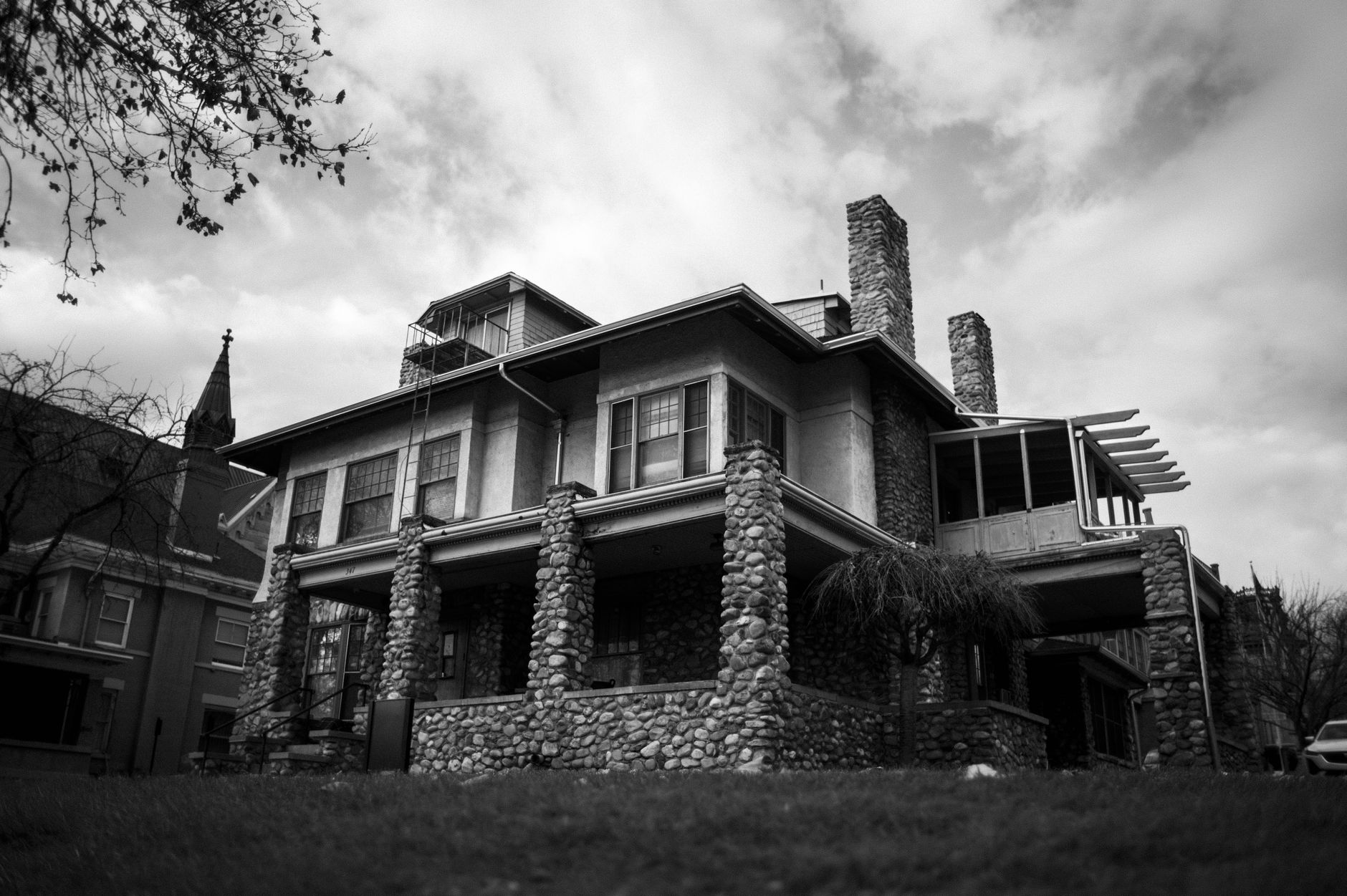
Chimney Inspections in Lakewood That Cover Every Stack on the Property
Chimney Inspection for Several Units?
Give the address and how many units it covers. We call back from Lakewood with the order and the price per unit.
How It Runs Across a Property
A building with six fireplaces is six inspections, not one. We follow the NFPA 211 levels, start with the units you name, and keep a separate sheet for each flue covering what we saw, where it sits and how urgent it is. A Level 1 is $58 per fireplace and a Level 2 with video is $415. Managers get one summary page listing every unit and its status, with the detail sheets behind it.
Choosing a Level for Each Chimney, Not for the Building
NFPA 211 is the national fire standard for chimneys and fireplaces, and it describes three inspection levels. A Level 1 looks at what can be reached in a normal visit: the firebox, the damper, the visible flue, the roof top of the chimney. It fits a chimney that is used the way it always has been. A Level 2 sends a camera the whole height of the flue and checks the stack where it crosses the attic or any other space we can get into, and it is the level for change: a sale, a new appliance or fuel, a quake, a chimney fire. A Level 3 means opening concealed parts, and it only follows when a Level 2 points to damage hidden behind a finish. In a building the levels often differ. One unit had its wood fireplace turned into a gas insert last year, so its flue needs the camera. The other five have not changed, so a Level 1 each is enough. We set the level chimney by chimney and tell you why before we start.
Prices are simple to add up. A Level 1 is $58 per chimney and a Level 2 with a video scan is $415 per chimney, so an owner can total the visit from the unit list before booking. Each chimney then gets its own record. It names the unit or units it serves, the level done, what we looked at and what we could not reach, and each finding written out with its place on the chimney. Every finding is tagged one of three ways: no action needed, plan the repair, or keep the fireplace out of use until it is fixed. That last tag is rare, and when we use it we tell the person on site before we leave, not only in the paperwork. A manager handling twenty doors can read the cover page in a minute and see which chimneys need money this year and which only need a date in the diary for next autumn.
What a Board or an Owner Receives
The record is built to be filed. The first page lists every chimney on the property with its location, the units it serves, the level done and an overall status. The pages behind it hold the detail, one chimney per page, so a single sheet can be handed to the owner of that unit, to a contractor pricing a repair or to a buyer, without sharing the rest of the building's business. Condo boards find the split useful when the governing documents divide the chimney between the association and the owner: the crown and the stack above the roof may be a common element while the firebox belongs to the unit. We describe what we found and where, and leave the question of who pays to the board and its documents. When the same building is inspected again, the new record follows the same order, so changes between years show up side by side.
Booking goes faster with a little preparation. A list of units with a fireplace, a note of which burn wood and which burn gas, how the roof is reached and who will open each door lets us plan the route and the time on site. Tenants should leave the hearth clear and keep any fire out for a day before so the firebox is cool. We cover buildings across Lakewood, Long Beach, Norwalk and Compton, from side by side duplexes to larger courtyard complexes. Large houses with three or four fireplaces get the same treatment: one visit, every chimney, one record each. When the inspection turns up work, the record tells you what kind of repair it is and which of our services covers it, and you decide what happens next. Nothing is repaired during an inspection visit without a written price you have agreed to first.
How Dalby Chimney Services Keeps the Record
Per-Unit Pricing
Each fireplace or stack on its own line
Unit Sheets
Photos and a status for every fireplace
Shared Work Tagged
Stack and roof items marked for the board
Scope Before Work
Nothing starts until the written scope is agreed
Cities with a chimney inspection page
Pick a city for the building types we meet there and the ZIP codes on that part of the route.
CA
Chimney Inspection in Lakewood
A tract model here may or may not have come with a fireplace; 89% of these houses predate 1980. For an owner holding three or four of them, each hearth gets its own numbered line in our record.
Open city pageCA
Chimney Inspection in Norwalk
Farm and dairy parcels gave way to houses mostly in the 1950s; the unit count before 1980 runs to 83%. Landlords with several of them can book one trip, and every brick flue comes back as a separate entry.
Open city pageCA
Chimney Inspection in Long Beach
Owners hold just 41% of homes, and only 40% stand detached, so a single building can hide many flues. Managers get one visit for the whole roster, with a numbered sheet per unit.
Open city pageCA
Chimney Inspection in Compton
Thirty percent of this housing predates 1950, so hand-laid brick turns up often, prone to tired mortar and quake cracks. Several units on one parcel? Each flue is inspected and filed under its own address line.
Open city pageOther Work We Book Per Unit
Chimney Sweep
Flue brushing for every unit on the property in one booking, with a buildup note filed under each address.
Open →Chimney Repair
Repairs scheduled across the building in one plan, with each fix tied to the unit and flue it belongs to.
Open →Fireplace Inspection
A room-side check of each fireplace in the building, from firebox to hearth, logged as its own entry.
Open →Fireplace Repair
Firebox, panel, hearth and door faults fixed unit by unit, with the parts used written into each record.
Open →Chimney Level 2 Inspection
The video level of inspection, run flue by flue when units sell, change hands or come through a quake or fire.
Open →Chimney Cap Installation
Caps measured and fitted per flue on the roof, so one climb covers every opening in the building.
Open →Chimney Flashing Repair
Roof seals around shared chimneys rebuilt where water reaches a unit, with the leak tied back to its stack.
Open →Chimney Masonry Repair
Brick and mortar work on shared stacks, scheduled once and logged for each unit that uses the chimney.
Open →Chimney Rebuilds
Partial or full rebuilds of stacks that serve several units, planned so each household knows which fireplace is out.
Open →Fireplace Cleaning
Room-side cleaning of fireboxes, grates and glass in every unit, booked as one round across the building.
Open →Gas Fireplace Cleaning
Yearly service of gas units across a building, each cleaned, lit and checked, with a log line per unit.
Open →Gas Fireplace Repair
Gas fireplace faults found and fixed unit by unit, with a parts record kept so repeat failures show up.
Open →Fireplace Remodel
Fireplace updates planned across matching units or one large room, with clearances measured before design.
Open →Fireplace Inserts
Inserts fitted into existing fireplaces across a building, one model where possible, so later service stays simple.
Open →Pellet Stove Repair
Pellet stoves serviced and repaired in homes and units that rely on them, with each stove's history logged.
Open →Wood Stove Repair
Wood stove seals, glass, firebrick and baffles renewed, with each stove's clearances checked and recorded.
Open →Gas Logs
Gas log sets fitted to wood fireplaces in houses and units, matched across rooms where the owner wants them alike.
Open →Chimney Seismic Retrofit
Quake bracing or partial rebuilds for brick stacks on older buildings, planned and priced stack by stack.
Open →Chimney Crown Repair
Crowns on shared stacks sealed or recast, so water stops reaching every flue that sits below them.
Open →Dryer Vent Cleaning
Dryer ducts cleared in each unit or laundry room, with the run length and airflow written down per machine.
Open →Chimney Liner Installation
Stainless liners run in flues that failed inspection, sized per appliance and recorded under each unit.
Open →Chimney Leak Repair
Water at a chimney traced to its entry point and stopped, with every affected unit named in the report.
Open →Chimney Waterproofing
Breathable water repellent applied to sound brick on shared stacks, once the crown and joints are in order.
Open →Chimney Damper Repair
Throat and top dampers repaired or replaced unit by unit, so each fireplace opens and closes as it should.
Open →Chimney Chase Cover
Metal tops on framed chimney chases replaced to size, so water stops reaching the units below.
Open →