
Chimney Seismic Retrofit in Lakewood for Buildings Over Shared Spaces
Chimney Seismic Retrofit for Several Units?
Give the address and how many units it covers. We call back from Lakewood with the order and the price per unit.
How It Runs Across a Property
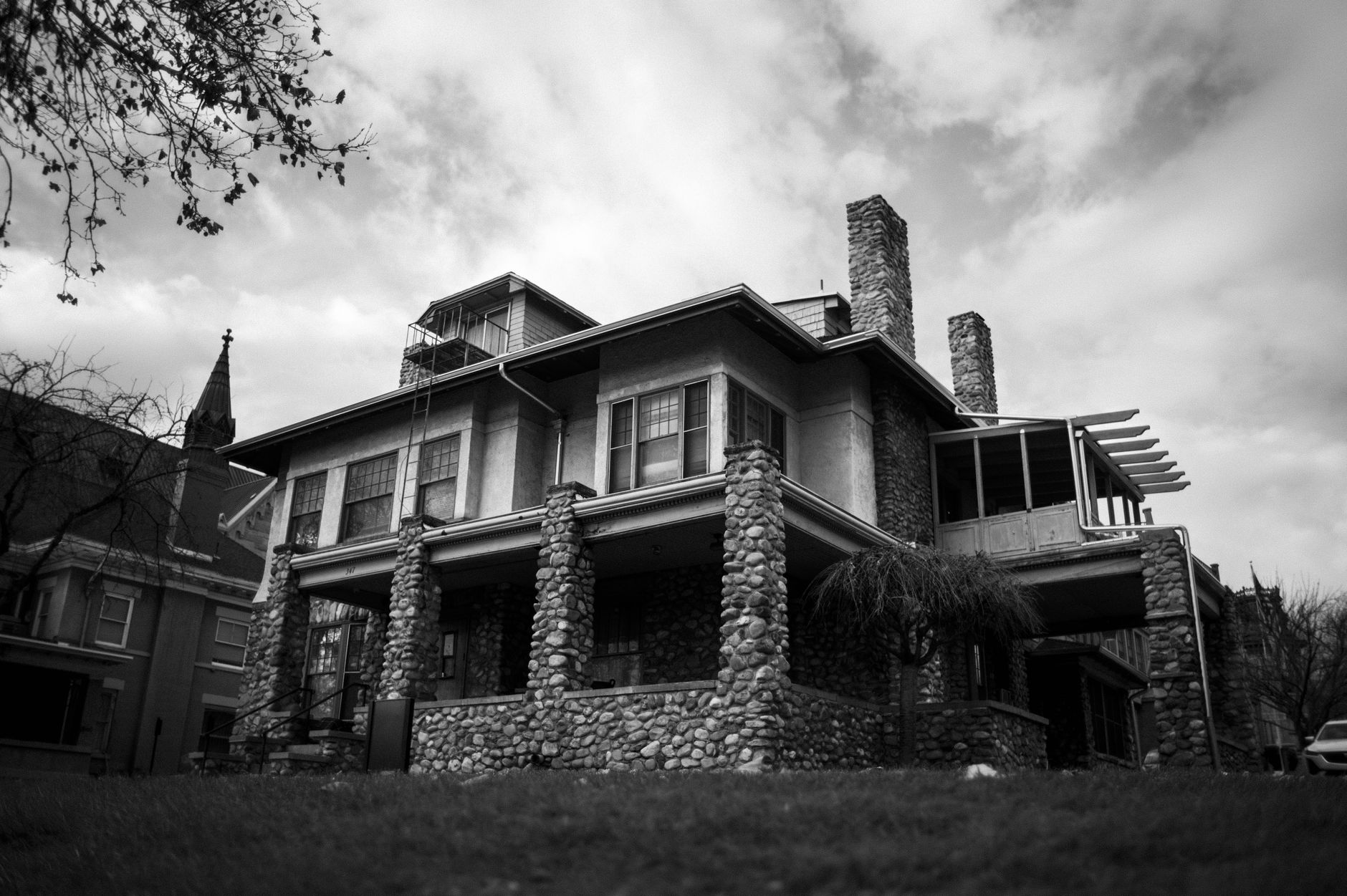
Old brick stacks are tall and heavy and were never built to move with a wood frame, which is why Southern California quakes have brought so many down. On a building we look at each stack's height, mortar and ties, then set out the options in general terms: steel bracing, straps at the floor and roof lines, or swapping the upper brick for a lighter framed top. Each stack gets its own scope and price.
Why Brick Chimneys Fail First in a Quake
Picture several tons of brick riding on a wood frame that sways. When the ground moves, the wood frame flexes and the chimney does not, so the two pull against each other at the points where they meet, most of all at the roofline. Older chimneys built without steel inside them, and many in this part of Los Angeles County were, crack there and can snap off and fall. Chimneys toppled across the region in the Whittier Narrows shaking of 1987 and again in the 1994 quake, and many that stayed up were left with cracks that were later patched rather than fixed. On a single house, a falling chimney damages the roof and the yard. On an apartment or condo building, it can come down on a shared walkway, a parking area or a neighbour's roof, which is why owners of shared buildings look at this before the next shake.
Our visit starts with the chimney itself: its height above the roof, how it is attached to the building, the state of its brick and mortar, and any cracks at the roofline or where it meets the wall. We also note what lies below it, the fall zone, because that shapes how urgent the work is. A chimney leaning over a courtyard where tenants walk ranks ahead of one over a fenced side yard. For each chimney we write up its condition and which retrofit options suit it. If the brick is too far gone to hold a brace or a strap, we say so plainly, since steel fixed to loose brick only gives the brick something to pull down with it. In that case the choice is between a rebuild and taking the chimney down. The record lists every chimney on the property, with the options and their costs side by side.
Bracing, Strapping and Taking the Stack Down
Retrofits come in three families, and a given stack usually suits one of them better than the others. Bracing ties the part of the chimney above the roof back to the roof structure with steel, so the top cannot swing free when the building moves. Strapping fastens the column to the house itself: steel bands circle the brick at each level where framing meets it and are bolted back into that framing. A rebuild takes the damaged or unsupported part of the chimney down and builds it back, often lighter and with steel inside it, or replaces the brick above the roof with a framed chase and a metal flue. Where a fireplace is no longer used, the stack can be removed to below the roofline and the roof closed over, which takes the hazard away altogether. We describe each option in general terms and price it for your chimney.
The written quote shows each chimney on its own line, with the options that suit it, what each one involves and its price. That lets an owner or a board compare the cost of bracing every chimney against rebuilding the worst and bracing the rest, or removing stacks that serve fireplaces nobody uses. We do not cite codes or promise rebates; whether any local programme or permit applies is something we check with the owner when the work is chosen, not something we promise in advance. For boards, the quote is laid out so it can go straight into a meeting packet. For owners with several buildings in Lakewood, Long Beach, Norwalk or Compton, we can look at all the chimneys in one round and rank them by risk, so the money goes to the chimneys over the busiest spaces first.
How Dalby Chimney Services Keeps the Record
Per-Unit Pricing
Each fireplace or stack on its own line
Unit Sheets
Photos and a status for every fireplace
Shared Work Tagged
Stack and roof items marked for the board
Scope Before Work
Nothing starts until the written scope is agreed
Cities with a chimney seismic retrofit page
Pick a city for the building types we meet there and the ZIP codes on that part of the route.
Nothing on the route by that name. Send the property address through the contact page and we will check it.
Other Work We Book Per Unit
Chimney Sweep
Flue brushing for every unit on the property in one booking, with a buildup note filed under each address.
Open →Chimney Inspection
Roster-wide checks, Level 1 or Level 2, for every chimney on the property, each written up against its own unit number.
Open →Chimney Repair
Repairs scheduled across the building in one plan, with each fix tied to the unit and flue it belongs to.
Open →Fireplace Inspection
A room-side check of each fireplace in the building, from firebox to hearth, logged as its own entry.
Open →Fireplace Repair
Firebox, panel, hearth and door faults fixed unit by unit, with the parts used written into each record.
Open →Chimney Level 2 Inspection
The video level of inspection, run flue by flue when units sell, change hands or come through a quake or fire.
Open →Chimney Cap Installation
Caps measured and fitted per flue on the roof, so one climb covers every opening in the building.
Open →Chimney Flashing Repair
Roof seals around shared chimneys rebuilt where water reaches a unit, with the leak tied back to its stack.
Open →Chimney Masonry Repair
Brick and mortar work on shared stacks, scheduled once and logged for each unit that uses the chimney.
Open →Chimney Rebuilds
Partial or full rebuilds of stacks that serve several units, planned so each household knows which fireplace is out.
Open →Fireplace Cleaning
Room-side cleaning of fireboxes, grates and glass in every unit, booked as one round across the building.
Open →Gas Fireplace Cleaning
Yearly service of gas units across a building, each cleaned, lit and checked, with a log line per unit.
Open →Gas Fireplace Repair
Gas fireplace faults found and fixed unit by unit, with a parts record kept so repeat failures show up.
Open →Fireplace Remodel
Fireplace updates planned across matching units or one large room, with clearances measured before design.
Open →Fireplace Inserts
Inserts fitted into existing fireplaces across a building, one model where possible, so later service stays simple.
Open →Pellet Stove Repair
Pellet stoves serviced and repaired in homes and units that rely on them, with each stove's history logged.
Open →Wood Stove Repair
Wood stove seals, glass, firebrick and baffles renewed, with each stove's clearances checked and recorded.
Open →Gas Logs
Gas log sets fitted to wood fireplaces in houses and units, matched across rooms where the owner wants them alike.
Open →Chimney Crown Repair
Crowns on shared stacks sealed or recast, so water stops reaching every flue that sits below them.
Open →Dryer Vent Cleaning
Dryer ducts cleared in each unit or laundry room, with the run length and airflow written down per machine.
Open →Chimney Liner Installation
Stainless liners run in flues that failed inspection, sized per appliance and recorded under each unit.
Open →Chimney Leak Repair
Water at a chimney traced to its entry point and stopped, with every affected unit named in the report.
Open →Chimney Waterproofing
Breathable water repellent applied to sound brick on shared stacks, once the crown and joints are in order.
Open →Chimney Damper Repair
Throat and top dampers repaired or replaced unit by unit, so each fireplace opens and closes as it should.
Open →Chimney Chase Cover
Metal tops on framed chimney chases replaced to size, so water stops reaching the units below.
Open →